
Industrial & Manufacturing MEP Engineering
Mechanical, Electrical, and Plumbing Systems Engineering
Supporting New Construction, Expansions, and Retrofits
Industrial environments place intense demands on building systems. Our MEP engineers design HVAC, electrical, and plumbing systems that manage high loads, support specialized equipment, and maintain safe working conditions — all while meeting regulatory and code requirements.
- Mechanical Systems: HVAC, industrial ventilation, process cooling and heating, dust and contaminant control, and make-up air systems.
- Electrical Systems: High-capacity power distribution, motor control centers, equipment feeds, lighting, emergency power, and energy management systems.
- Plumbing & Process Systems: Water supply, drainage, compressed air, process piping, fire protection, and waste management systems.
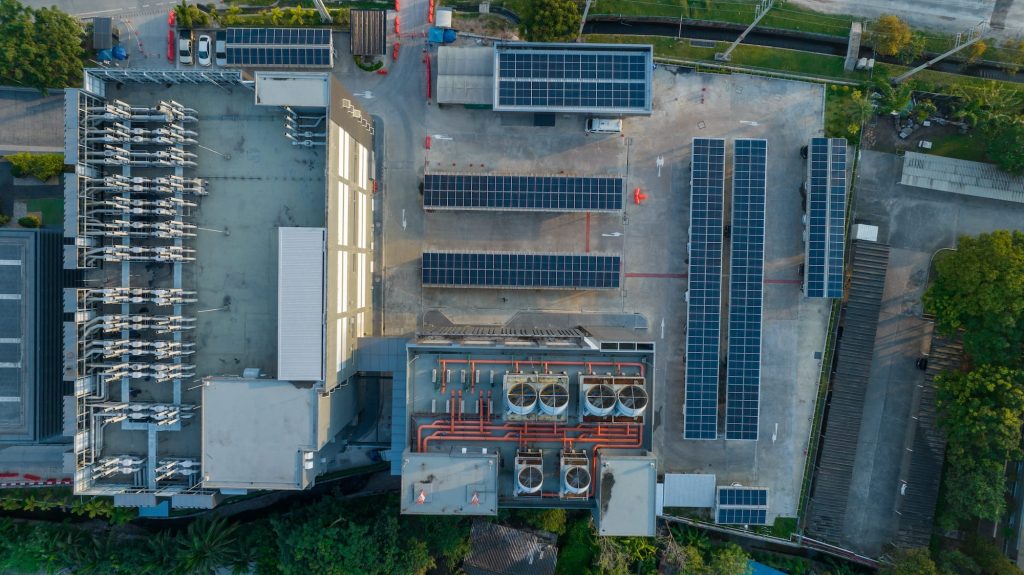
Our Work
View our gallery of projects to see the commercial and industrial spaces we work on.
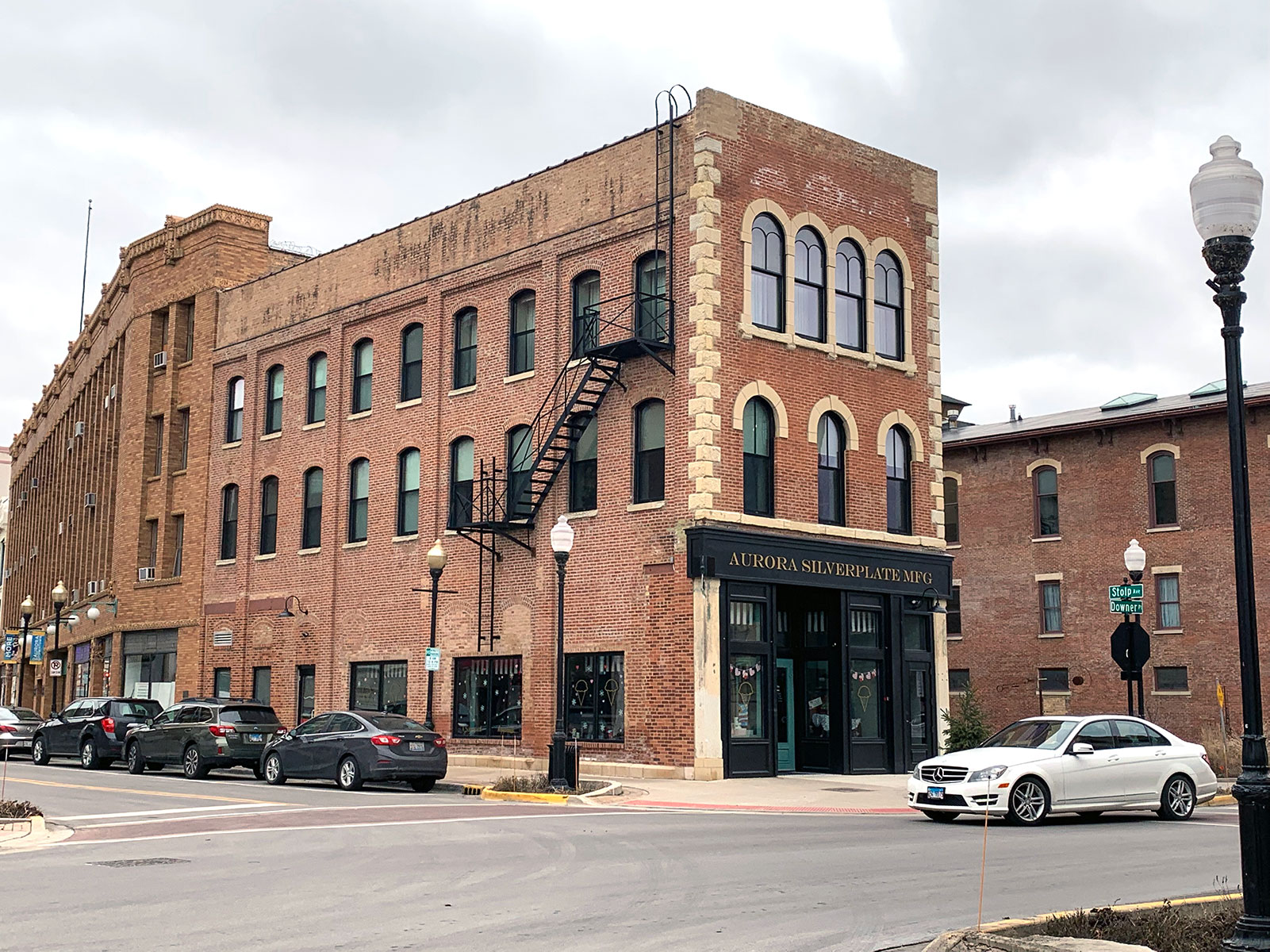
High-Performance MEP Designs
At Neville Engineering, we provide MEP engineering services for industrial and manufacturing facilities that demand reliability, efficiency, and precision. From production plants and processing facilities to warehouses and distribution centers, we design systems that support continuous operations, safety, and long-term performance.
Trusted MEP Engineers for Industrial Operations
Our approach prioritizes uptime, efficiency, and safety, helping industrial facilities operate reliably today while remaining adaptable for future growth.
What people say

“John’s team consistently provides high-quality engineering solutions for a vast number of our projects of all scales and building types. Neville Engineering demonstrates a commitment to good communication, keeping on schedule and within budget. “
K. Peterson, Principal Architect
With Deep Experience in Value Engineering & Code Compliance
Fair, Efficient Turnaround Times
Realistic timelines and fast responses — no chasing down updates.
Cost-Efficient, Constructible Design
Plans that support long-term maintenance and installation ease.
Responsive, No-Nonsense Communication
Clients value being kept in the loop — without the jargon or delays.
Code Knowledge as a Service
To share our deep familiarity with local and state-level codes, we offer long-term client education and code updates online.
Trusted by Hundreds for Timely MEP Services






What is industrial and manufacturing MEP engineering?
Industrial and manufacturing MEP engineering focuses on designing mechanical, electrical, and plumbing systems that support production efficiency, safety, reliability, and regulatory compliance in factories, plants, and processing facilities. These systems go far beyond basic building comfort, supporting heavy machinery, compressed air systems, industrial HVAC, high-load electrical distribution, specialized plumbing, and process utilities.
The industrial sector accounts for approximately one-third of total U.S. end-use energy consumption, making efficient MEP system design critical for operational cost control and sustainability initiatives. Energy-efficient MEP strategies can significantly reduce operating costs, improve production uptime, and enhance workforce safety.
Proper MEP engineering also helps manufacturers comply with OSHA standards, NFPA fire protection codes, ASHRAE energy regulations, and local building requirements, minimizing risk while supporting long-term facility performance.
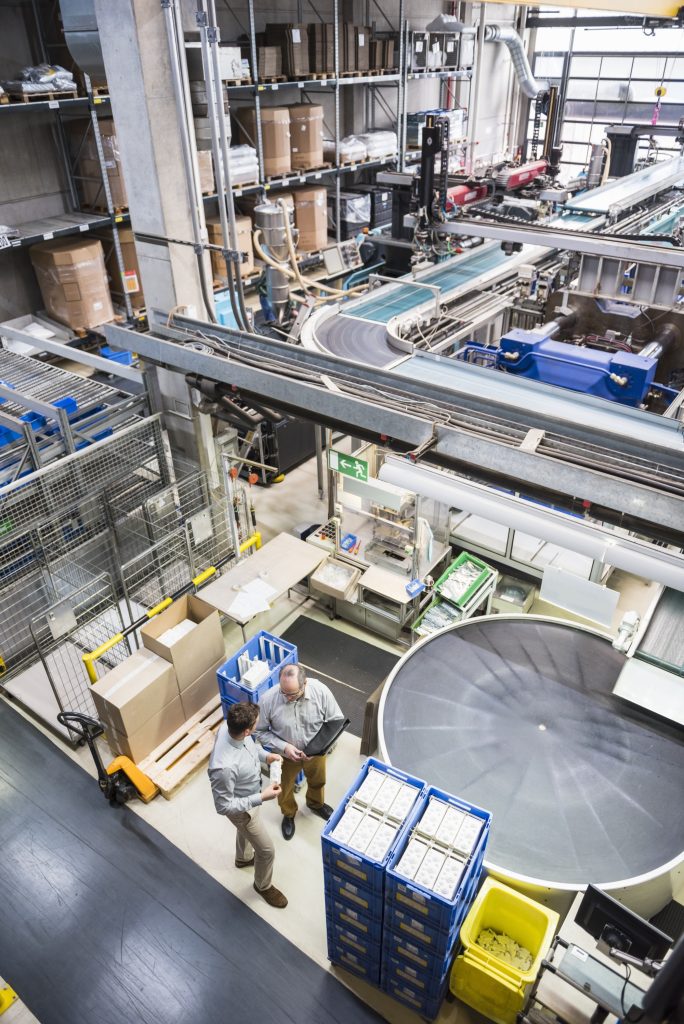
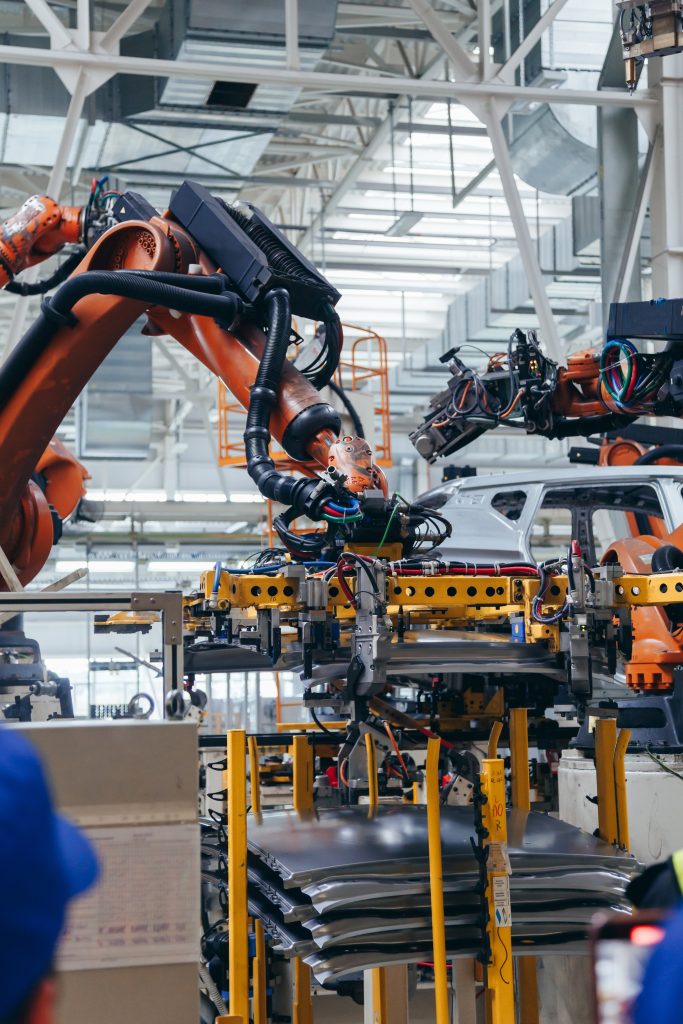
Why is MEP design critical for manufacturing uptime and productivity?
MEP system failures are a major contributor to manufacturing downtime, which is one of the largest hidden costs in industrial operations. According to ABB’s 2023 “Value of Reliability” survey, unplanned downtime costs manufacturers an average of $125,000 per hour, with many companies experiencing downtime events at least once per month.
More recent industry research indicates that downtime costs can be even higher. A 2026 manufacturing market analysis found that average downtime across all manufacturing sectors now exceeds $260,000 per hour, with Fortune Global 500 manufacturers losing an estimated $1.5 trillion annually due to unplanned production stoppages.
Well-designed mechanical systems prevent overheating and equipment failure, reliable electrical distribution reduces power interruptions, and resilient plumbing systems protect critical processes. Together, robust MEP engineering directly supports production continuity, worker safety, and predictable operating costs.
FAQs
What MEP systems are required for manufacturing and industrial facilities?
Industrial MEP systems are highly specialized and often customized to each production process. Typical system designs include industrial HVAC for temperature and humidity control, high-capacity electrical distribution for machinery loads, compressed air networks, process cooling systems, fire protection systems, and specialized plumbing for industrial water and waste management.
Electrical systems are engineered to support heavy loads, redundancy, and power quality control. Mechanical systems address thermal stability, ventilation, and indoor air quality, which directly impact worker safety and equipment performance. Plumbing systems handle both domestic needs and industrial process demands.
Because industrial buildings can represent some of the highest energy users in the economy, precision engineering is essential to balance performance, efficiency, and reliability.
How does proper MEP engineering improve worker safety and compliance?
Industrial environments expose workers to heat, airborne contaminants, mechanical hazards, and chemical processes. Proper MEP engineering plays a central role in controlling these risks through advanced ventilation systems, exhaust capture, temperature regulation, and fire suppression integration.
Studies show that indoor environmental quality has a measurable impact on worker productivity, health, and error rates. Optimized building systems reduce heat stress, improve air quality, and maintain consistent working conditions, which directly supports operational safety and workforce performance.
In addition, compliant MEP designs help facilities meet OSHA, NFPA, and environmental regulations, reducing legal risk and insurance exposure while improving overall facility resilience.
How do MEP engineers support process equipment and production lines?
MEP engineers design power distribution, ventilation, cooling, and utility systems that align with equipment layouts and production workflows. This ensures machinery operates safely and efficiently without overloading systems.
Do MEP engineers handle industrial retrofits and expansions?
MEP engineers design power distribution, ventilation, cooling, and utility systems that align with equipment layouts and production workflows. This ensures machinery operates safely and efficiently without overloading systems.
Which industries does Neville Engineering serve?
Yes. MEP engineers frequently support facility expansions, production line upgrades, and system retrofits, helping facilities increase capacity, improve efficiency, and meet updated regulatory requirements.
Where does Neville Engineering operate?
We serve clients across the Southeast and Central United States, with a presence in over 30 states. Our deep knowledge or codes and regulations in every region of our our service area ensures your project will be in full compliance.
Can Neville Engineering assist with code compliance and permitting?
Yes, our experienced engineers are well-versed in national and local building codes. We ensure that all MEP designs meet regulatory requirements and assist clients in navigating the permitting process efficiently. In addition, we offer client education and updates about codes online.
What types of projects are included in Neville Engineering's portfolio?
Our portfolio includes a diverse range of projects, including commercial buildings, healthcare facilities, multi-family residences, and industrial complexes. View more of our work across different industries here.